Understanding the Psychology of Bluffing
Bluffing is a fundamental aspect of poker that transcends mere chance; it delves into psychology and human behavior. When you bluff, you’re not just trying to mislead your opponents about the strength of your hand; you’re also engaging in a psychological battle. Understanding your opponents’ tendencies and mindset is crucial, especially when considering a reputable platform like ripper casino login that offers various insights into gameplay. Are they tight players who tend to fold often, or loose players who might call your bluff? By assessing these traits, you can tailor your bluffing strategy to exploit their weaknesses effectively. For instance, a cautious player may be more susceptible to a well-timed bluff, while an aggressive player might challenge you even with a weak hand, making it essential to know whom you are dealing with.
Moreover, successful bluffing hinges on timing and context. For instance, the way you present your bluff can vary greatly depending on the stage of the game. Early on, players might be more conservative, making them less likely to call a bluff. In contrast, as the game progresses and players become more invested, they may be more willing to take risks. Grasping these psychological cues allows you to choose the right moment to make your move, increasing your chances of success. For example, if the board shows potential for strong hands but you have nothing, bluffing at this point may induce folds from opponents who are more cautious about their holdings.
Your body language also plays a pivotal role in bluffing. When attempting to deceive your opponents, remaining calm and composed is essential. Any sign of nervousness or hesitation can alert them to the fact that you might be bluffing. Hence, mastering your own physical tells is as important as reading those of others. By controlling your expressions and gestures, you can maintain the façade necessary for a successful bluff, confusing your opponents and leading them to doubt their own judgment. Practicing in front of a mirror or recording yourself can help develop this skill, allowing you to project confidence even when holding a weak hand.
Types of Bluffs and Their Applications
There are various types of bluffs in poker, each with specific applications depending on the situation. One of the most common types is the ‘pure bluff,’ where you have no chance of winning the pot with your hand. This approach is often employed in late rounds where opponents may assume you have a stronger hand based on betting patterns. Implementing this tactic requires a keen awareness of the pot’s dynamics and an ability to read your opponents effectively; if they have shown strength, your chances of success may diminish. For instance, if the board presents a high card that you could plausibly have, even a weak hand can become a candidate for a successful pure bluff.
Another effective type is the ‘semi-bluff,’ which occurs when you bet or raise with a hand that isn’t currently strong but has potential to improve, such as a drawing hand. For example, if you have a flush draw, you can bluff by betting aggressively, pressuring your opponents into folding. The advantage of a semi-bluff is that if your opponents do call, you still have a chance to improve your hand and win the pot if your draw hits. This layered approach to bluffing adds complexity and can keep your opponents guessing. The dual threat of potentially completing your draw while also creating pressure can lead to profitable outcomes.
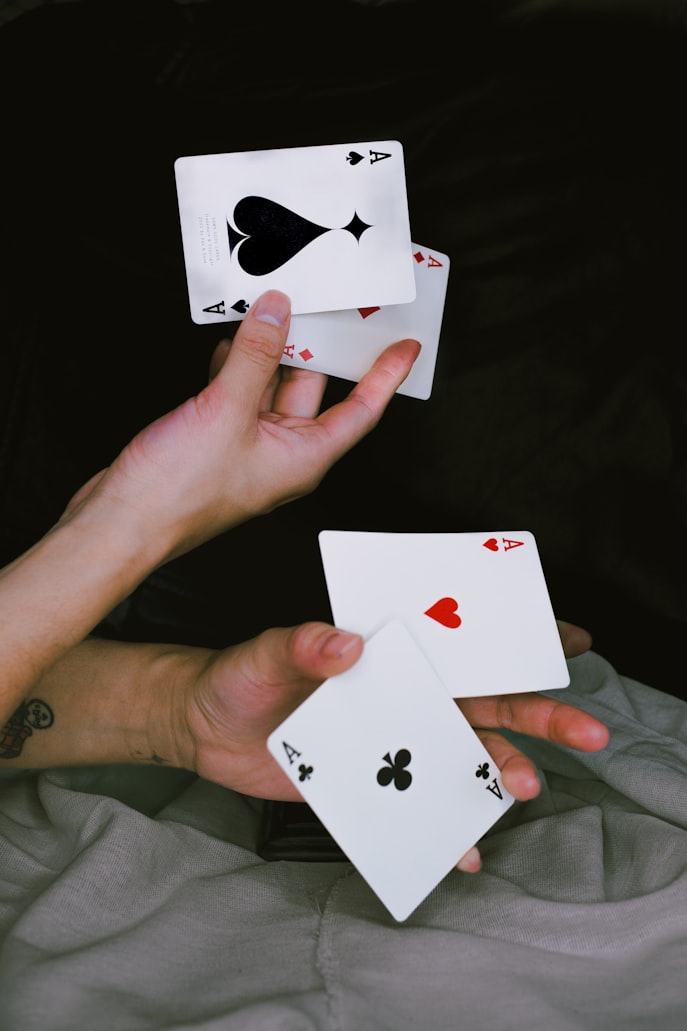
Moreover, you can use ‘thematic bluffs’ based on the story your betting tells throughout the hand. If you’ve been playing aggressively and suddenly change your style, it can create suspicion. Utilizing your image at the table to influence your opponents’ decisions is a powerful strategy in itself. For example, if you have been calling frequently and suddenly push all-in, it could suggest a strong hand, prompting opponents to fold. Remember that effective bluffing requires you to be versatile, able to adapt your tactics based on the flow of the game and how your opponents respond to your actions. Consistency in your betting patterns also plays a crucial role in maintaining the credibility of your bluffs.
Reading Your Opponents
Reading your opponents is an art that significantly enhances your bluffing ability. It involves observing their behavior, betting patterns, and even physical tells. For instance, some players might consistently check-raise when they have strong hands, while others may be prone to folding at the slightest hint of aggression. By paying attention to these tendencies, you can gauge their potential reactions when you choose to bluff, thus increasing the effectiveness of your strategy. A player who is visibly anxious when faced with a bet may be more likely to fold, providing an opportunity for a successful bluff.
Additionally, understanding the emotional states of your opponents can provide insights into their decisions. A player experiencing frustration may call a bluff more often than one who remains calm and collected. Techniques such as maintaining an analytical mindset and employing patience will help you effectively read your opponents. The key lies in striking the right balance between observation and your own gameplay—if you get too caught up in reading others, you may neglect the strength of your own hand. Moreover, recognizing the psychological aspects of your opponents, such as their tendency to play aggressively or passively, can inform your bluffing decisions.
Building a profile of your opponents over time can also contribute to your bluffing success. If you notice that a particular player rarely bluffs, they may find it hard to believe you are doing so effectively. Conversely, if you have previously caught them in a bluff, they may be more inclined to fold against you in subsequent hands. Creating a narrative around their habits and style will inform your decisions, allowing you to maximize the effectiveness of your bluffs. Keeping track of how often they fold in response to bets can provide valuable data to exploit in future hands.
Bluffing Techniques for Success
Successful bluffing in poker requires the adoption of various techniques tailored to your play style and the specific table dynamics. One effective technique is the ‘storytelling’ approach, where your bets form a coherent narrative that aligns with possible strong hands. If you’ve been betting aggressively on every street, it’s more believable that you are holding a premium hand. Conversely, if your betting pattern is erratic, opponents may sense your intentions and call your bluff more readily. A consistent narrative makes your bluffs more credible, as players are more inclined to believe a story that feels natural.

Another practical technique is to vary your bluffing frequency. If you bluff too often, your opponents will catch on and call your bluffs more frequently. On the other hand, bluffing too infrequently may leave you in missed opportunities. Striking the right balance is essential. For instance, opting for a well-timed bluff when the pot is substantial or when you can force tighter players out will maximize your chances of success. Utilizing this variability can keep your opponents on their toes, making it difficult for them to form a clear read on your play.
Additionally, using position to your advantage is crucial. Being last to act allows you to gather information about your opponents’ behaviors before committing to your decision. If your opponents show weakness through checks or low bets, you can capitalize on this by raising, presenting your hand as strong. This technique not only allows for strategic bluffing but also reinforces the pressure on your opponents, potentially forcing them into making costly mistakes. A well-timed bluff from a position of strength can create a powerful dynamic at the table.
Enhancing Your Bluffing Skills Online
The digital poker landscape offers unique challenges and opportunities for mastering bluffing techniques. Online play lacks the physical tells present in live settings, placing greater emphasis on betting patterns and timing. To enhance your bluffing skills online, focus on tracking your opponents’ behaviors over multiple sessions. Keeping notes on their tendencies can provide valuable insights and improve your decision-making process. By closely observing how frequently they fold versus calling, you can tailor your bluffing strategy to exploit their weaknesses effectively.
Also, the use of software tools to analyze your play and that of your opponents can aid in developing your bluffing strategies. These tools allow you to review hands, assess your bluffing frequency, and identify potential leaks in your game. By understanding the data-driven approach to bluffing, you can refine your strategies and enhance your success rate while playing online. Moreover, utilizing HUDs (Heads-Up Displays) can provide real-time statistics about your opponents, allowing for more informed decisions during gameplay.
Additionally, engaging in online forums and communities can expose you to diverse perspectives on bluffing techniques. Sharing your experiences and learning from seasoned players enriches your understanding of the game. As you interact with a broader network, you can gain insights into innovative bluffing strategies and psychological tactics that may not be evident in traditional learning environments. This collaborative approach can help you stay updated on trends and strategies that are currently effective in the online poker landscape.